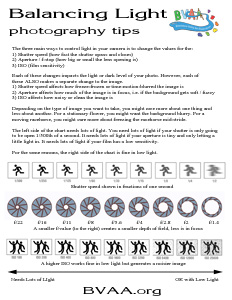
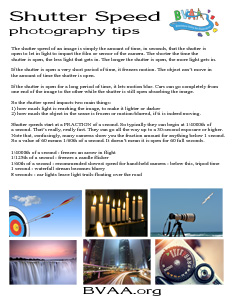
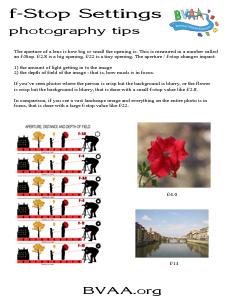
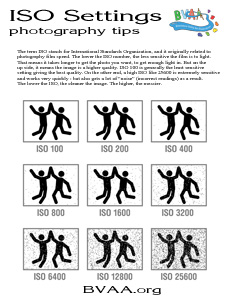
Just what does the shutter speed on a camera do? What is aperture and f-stop all about? Is ISO a type of soft drink?
It can get confusing figuring out the basics of your camera. Here are some photography cheat sheets we here at the Blackstone Valley Art Association use for our classes.
Please ask with any questions – and be sure to look at our calendar to see what future classes and workshops are coming out. If there’s a particular thing you’d like to learn, let us know and we’ll see if we can set that up!
Most of all, have fun! Keep playing and exploring. The more you try things, the better you get!
Photography BasicsPhotography – Shutter SpeedPhotography – AperturePhotography – ISO
These sessions each came with a workshop sheet. Click on one to get to that workshop sheet.
Week four for 2018 in the 52 Frames weekly photography challenge is “Something New”! For this week ending Sunday, January 28, 2018, the theme is about trying something new.
The above image was created by Lisa Shea and Bob See. You have to take the image in this week of the challenge. We did this with a glass sphere about the size of a baseball.
What will you submit or have you submitted? Let us know in the comments below!
Even if you don’t submit anything for this current week, make sure you register and get set for next week’s challenge!
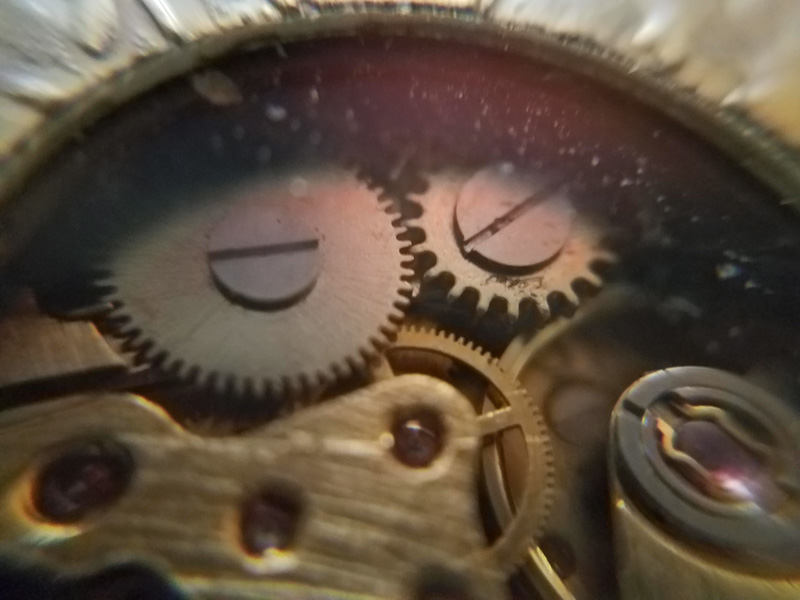
Here is Lisa Shea’s image. She bought a new set of add-on lenses for her cell phone and played with the macro lens. The photo is of a pendant watch’s gears.
Mike Zeis (mike@zeisphotos.com)
BVAA Photography Meeting, 1/16/18
Top points (for me, anyway)
• Capture RAW images (DNG on Nikon, CR2 on Canon. I’ve set my iPhone to save DNG and a JPG). TIFF is an OK alternative to RAW.
• Expose for the highlights, because blown-out highlights can be a show-stopper.
• High ISO (sensitivity) often means high noise. Although cameras on phones have an exposure adjustment, I prefer to control ISO and shutter speed manually, using apps. (I didn’t mention in my talk, but there is in-camera HDR software, which theoretically stitches bright, medium, and dark exposures together, and saves the result as a JPG. You can set the camera to store the original unenhanced JPG in addition to the HDR version. I think three RAW exposures give you lots more control over the final image than a single JPG provides.)
• Because I shoot in low-light situations, I need a shutter speed that is slow enough to allow me enough time to manually fire an off-camera flash.
Reading:
1. Advanced iPhone Camera Controls For DSLR Photographers
Noise Ninja (Picture Code’s Noise Ninja has become Photo Ninja. The no-longer-supported “legacy” version which I use is available for free. I’ve got to assume that they have improved noise reduction considerably since the produced the old version that I still use.)
We have reached a huge milestone! We now have over 10,000 followers on Twitter! Thank you all so, so much for supporting Local Art from painters, photographers, sculptors, artists who draw, quilters, and more! Come by one of our free workshops and say hello! Explore your creativity :). If you’re not following us on Twitter yet, please do!
For the painters in our group – cash grant available –
PAINTING – Deadline: January 29, 2018
Upload five images, in JPG format, into your CallforEntry.org (CaFE) Portfolio. When filling out Mass Cultural Council’s online application in CaFE, select images to submit in the order (1-5) that you wish them to be viewed (left to right).
Preparing Your Digital
Images Images must be saved in JPG format. The pixel dimension (horizontal or vertical) cannot be smaller than 1920 pixels on the longest side of your image. The resolution size is a minimum of 72 ppi/dpi. The maximum file size is 3 MB.
Panel review of work samples is anonymous. Therefore, neither your name, nor any information identifying commissions, awards, reviews, and/or presentations should appear on your work sample. Work samples will be tracked by title #1. Work completed prior to 2014 is ineligible.
Review Process
After the application deadline, Mass Cultural Council convenes independent panels to review applications. Panels are composed of artists and arts professionals representing a range of aesthetic perspectives. The review process is anonymous to ensure impartial assessment of each applicant’s work. Funding recommendations made by review panels are presented to the Mass Cultural Council members for final award decisions.
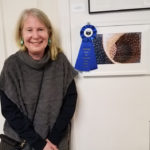
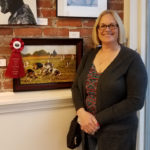
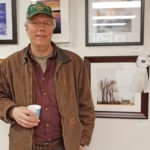
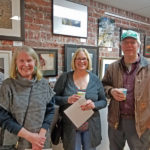
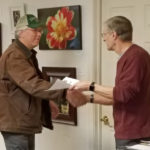
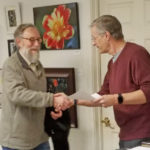
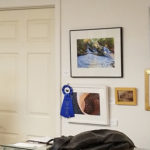
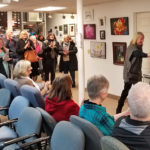
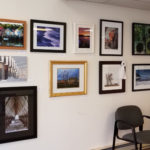
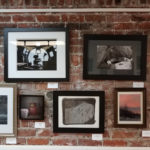
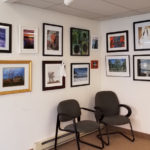
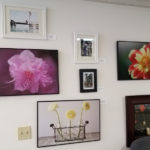
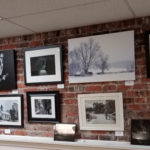
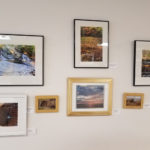
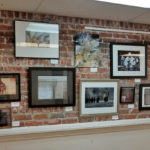
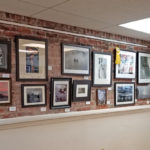
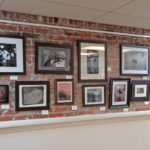
The 2018 “Anything Goes” Photography Show had 101 submissions to it. The reception was held on Friday, January 19th, 2018 from 3-7pm. It was a great time! Here are the winners of the show:
First place: Linda Nelson. “Magical”
Second place: April Brown, “Fox Hunt”
Third place: James Hunt, “Greek Letter”
Honorable Mentions:
Jonathan Rocheleau, “Winter Trees”
Carol Frieswick, “Vinalhaven”
Al Weems, “Reflection”
Rick Allain, “Cardinal Picks St. Francis”
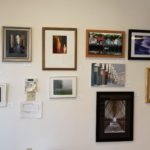
Enjoy a virtual walkthrough of our 2018 “Anything Goes” photography show – 101 beautiful entries were submitted! The show is live now through March 3rd. Come on out to see it in person!
Today’s the day! January 21, 2018! From 1-3pm come to this FREE seminar on how to find, run, and market a one-man art show or a larger gallery! Great advice for all level of artists.